When it comes to natural wellness supplements, shilajit and ashwagandha are two names that often come up. Both have been used in Ayurvedic medicine for centuries and are known as adaptogens, helping the body adapt to physical and mental stress. However, despite their shared roots, they offer very different benefits.
If you're wondering whether shilajit or ashwagandha is the better choice, the answer depends on your health goals. Whether you're looking to improve energy, manage stress, support exercise recovery, or maintain overall well-being, understanding the differences can help you make an informed decision.
In this guide, we'll compare their benefits, explain how they work, and help you decide which supplement may be right for you.
What Is Shilajit?
Shilajit is a mineral-rich resin that forms slowly within high-altitude rock layers, most famously in the Himalayas. During periods of higher temperatures, it seeps from the rocks as a thick, tar-like substance and has been used in Ayurvedic practice for generations to support vitality and stamina.
What makes shilajit unique is its natural composition. It contains fulvic acid along with dozens of naturally occurring trace minerals, which are believed to support the body's natural energy production at a cellular level. Because raw shilajit can contain impurities, choosing a purified, high-quality product is essential.
At Gold Seal, our shilajit resin is sourced from the remote peaks of Skardu at an altitude of around 18,000 feet. It is then carefully purified using traditional methods to help preserve its natural composition without introducing unnecessary additives or synthetic ingredients. Whether you prefer resin or capsules, you can explore our full range of Shilajit supplements.
What Is Ashwagandha?
Ashwagandha, or Withania somnifera, is a small shrub native to India and parts of the Middle East. Unlike shilajit, which is a naturally occurring resin, ashwagandha is derived from the plant's root. The root is dried and processed into a powder or extract, with one of the most well-known forms being KSM-66, a full-spectrum root extract that has been widely studied in human clinical trials.
Ashwagandha works differently from shilajit. Rather than supporting energy production, it is thought to help regulate the body's stress response by influencing the hypothalamic-pituitary-adrenal (HPA) axis, which controls the release of cortisol, often called the body's primary stress hormone. In simple terms, it may help the body return to a more balanced state after periods of stress, instead of acting as either a stimulant or a sedative.
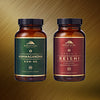
If you're considering adding ashwagandha to your daily routine, choosing a high-quality supplement is just as important as understanding its benefits. Gold Seal Ashwagandha KSM-66 Capsules contain a high-potency, full-spectrum extract of Withania somnifera, made using KSM-66, one of the most clinically researched forms of ashwagandha. Standardised to 5% withanolides, the formula is designed to support the body's natural response to stress while also helping to maintain energy, cognitive function, and overall well-being.
Shilajit vs Ashwagandha: The Key Differences
|
Feature |
Shilajit |
Ashwagandha |
|
Best known for |
Energy, minerals, male hormonal support |
Stress, sleep, cortisol balance |
|
Form |
Resin or capsules |
Capsules |
|
How it works |
Supports mineral status and cellular energy |
Calms the stress response pathway |
|
Best time to take |
Preferably in the morning on an empty stomach. |
Evening, with food or water |
Neither shilajit nor ashwagandha is a stimulant, so you shouldn't expect an immediate boost in energy or mood. Instead, both supplements work gradually, and most people need to take them consistently for four to six weeks before they can properly assess the benefits.
Which Is Better for Energy and Stamina?
This is where shilajit really stands out. Its fulvic acid and trace mineral content are linked to better mitochondrial function, which is essentially how efficiently your cells convert food into usable energy. People who consistently feel low on energy, sluggish after training, or slow to recover often notice the greatest benefits in this area.
Ashwagandha can also help support energy, but in a different way. Better sleep and improved stress management often leave people feeling more refreshed and capable during the day. However, if low energy is your main concern, shilajit is generally the more direct choice. Our Himalayan Shilajit Resin and Pure Shilajit Capsules are both formulated to support these goals.
Which Is Better for Stress, Anxiety, and Sleep?
When it comes to managing everyday stress and improving sleep quality, ashwagandha is generally considered the better choice. It is commonly used to help the body adapt to physical and mental stress, making it ideal for those who find it difficult to relax or switch off after a busy day.
Shilajit is better known for supporting energy and vitality rather than relaxation. However, some people find that maintaining more consistent energy levels throughout the day contributes to an overall sense of balance and well-being.
Which Is Better for Hormonal Balance & Vitality?
Both shilajit and ashwagandha are commonly used to support health, but they do so in different ways. Shilajit is often chosen to support hormonal balance, physical performance, and recovery. Ashwagandha, on the other hand, is better known for helping the body manage stress, which can also contribute to overall hormonal balance and well-being.
If your priority is maintaining energy and stamina, shilajit is generally the better choice. If you're looking to combine stress management with exercise performance and recovery, ashwagandha is the more well-rounded option.
Can You Take Shilajit and Ashwagandha Together?
Many people choose to take shilajit and ashwagandha together because they complement each other rather than compete. While shilajit is commonly used to support energy, stamina, and vitality, ashwagandha is often chosen to help the body manage everyday stress and promote relaxation. Together, they can provide more balanced support for overall well-being.
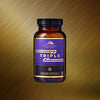
A simple routine is to take shilajit in the morning, preferably on an empty stomach or as directed, and ashwagandha later in the day with food or water. If you prefer a more convenient option, Gold Seal Shilajit & Ashwagandha KSM-66 Blend combines both ingredients in a single formula, making it easier to enjoy the benefits of each without managing multiple supplements.
Are There Any Side Effects?
Both shilajit and ashwagandha are generally well tolerated when taken as directed and sourced from reputable manufacturers. Ashwagandha is typically not recommended during pregnancy or breastfeeding and should be used with caution by anyone with an autoimmune thyroid condition. If you have an existing medical condition or take prescription medication, it's always advisable to consult your GP before starting any new supplement.
Shilajit is safe when purified and lab-tested, but unrefined resin can contain heavy metals and microbial contaminants. Every batch of Gold Seal Shilajit is lab tested for purity, so you know exactly what you are getting.
Final Thoughts
Shilajit and ashwagandha each offer unique benefits, so the right choice depends on your individual wellness goals. If you're looking to support natural energy, stamina, recovery, and overall vitality, shilajit is likely to be the better fit. If your priority is managing everyday stress, promoting relaxation, or improving sleep quality, ashwagandha may be the more suitable option. For some people, combining both supplements provides a balanced approach to supporting both energy and overall well-being.
Whichever option you choose, quality should always come first. Look for products that are transparent about their sourcing, purification, and manufacturing processes. At Gold Seal, we're committed to offering naturally sourced, high-quality wellness products. From our Himalayan Shilajit to our premium KSM-66 Ashwagandha, every product is carefully selected to help you shop with confidence and support your long-term wellness goals.
Frequently Asked Questions
Which is better for beginners, shilajit or ashwagandha?
It depends on your wellness goals. Choose shilajit for energy, stamina, and vitality, or ashwagandha if you're looking to support stress management and better sleep.
When is the best time to take ashwagandha?
Many people prefer taking ashwagandha in the evening with food or water. Always follow the recommended serving guidance on the product label.
What is the difference between shilajit resin and capsules?
Shilajit resin is the traditional form and is dissolved in hot water, while capsules offer a convenient, pre-measured alternative. Both contain the same naturally occurring shilajit.
How should shilajit resin be stored?
Store shilajit resin in a cool, dry place away from direct sunlight. Keep the container tightly sealed after each use to help maintain its quality.
Who should avoid taking ashwagandha?
Ashwagandha is generally not recommended during pregnancy or breastfeeding. If you have an existing medical condition or take prescription medication, consult your GP before taking it.